Destinations / The Best Places to Visit in Florida, U.S.A. / Everglades National Park
Everglades National Park
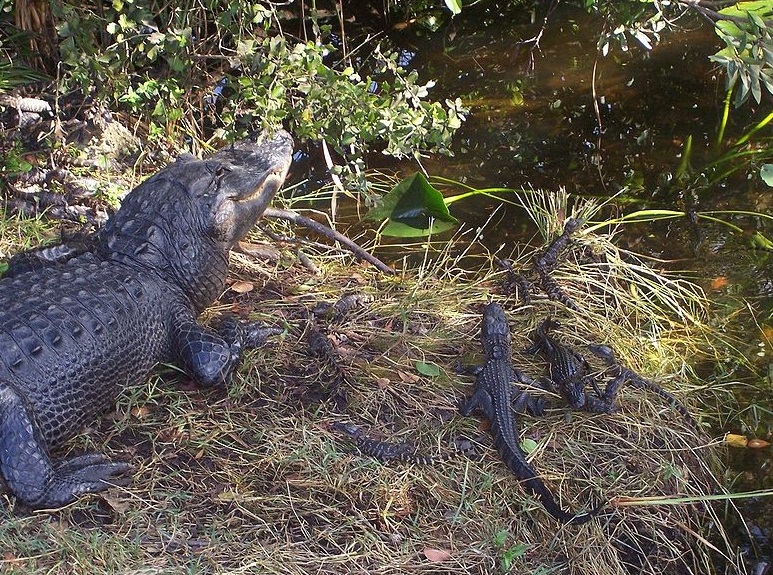
Everglades National Park is located in southern Florida. Founded in 1947, the park occupies the area-566.8 thousand hectares. This unique subtropical thickets, occupying a vast territory is the largest freshwater swamp in the world. But this is not just a bog, this is a real jungle, where a lot of rare and wonderful plants are growing. Everglades is characterized by an exceptional variety of aquatic habitats, and is inhabited by numerous species of birds and reptiles, including some threatened with extinction, such as Manatee. Everglades swamps are limited to the Gulf of Mexico from the west and the south islands of the Florida Keys. The territory is crossed by several roads, in addition, significant areas can be surveyed from the boat. This is a huge swamp fed by the waters of Lake Okeechobee, the largest lake in North America, excluding the Great Lakes. The water seeps from the lake bottom in the limestone and then diverges in the vast marshy area through a system of aquifers.
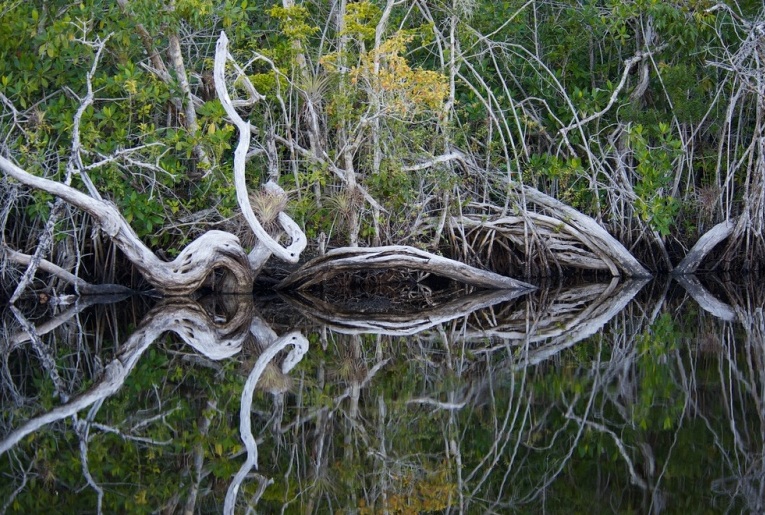
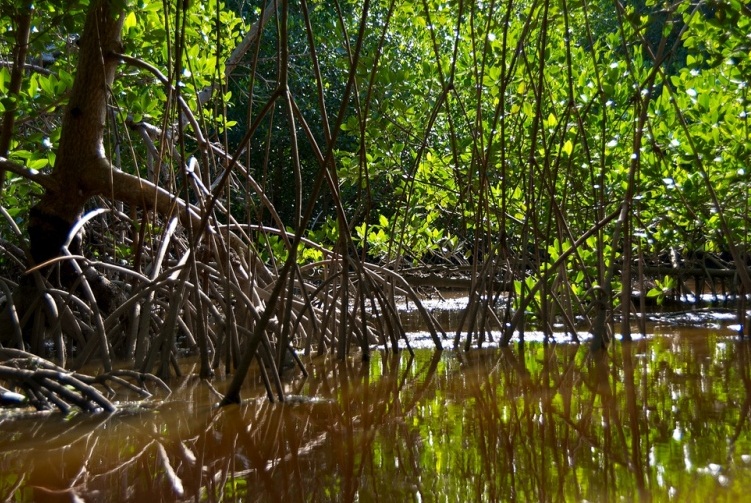
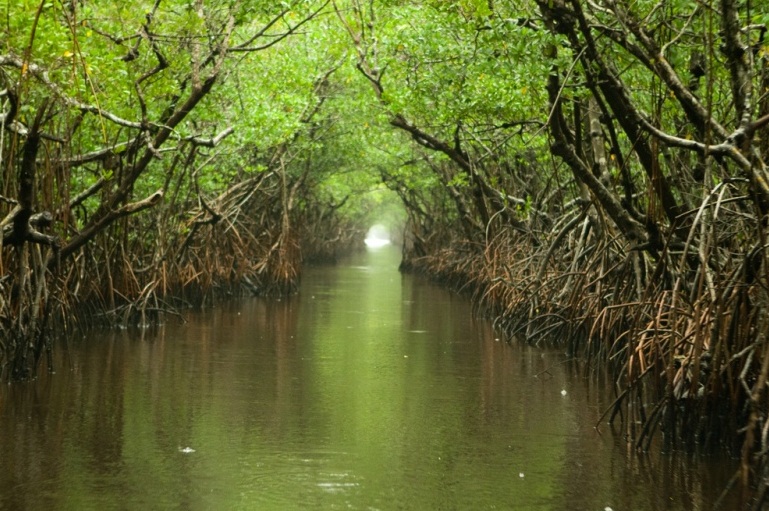
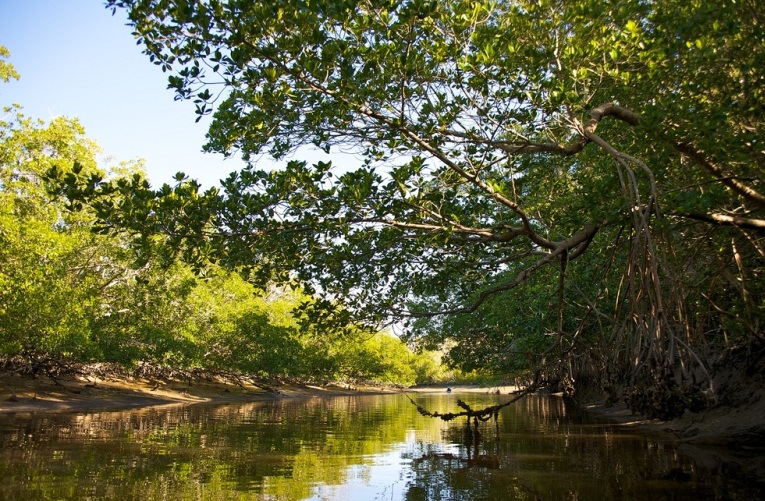
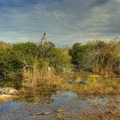
The Everglades cover is dominated by vast expanses of dense, sometimes impenetrable thickets. The huge space is occupied by dense thickets of sword-grass, which reaches a height of 4 meters. On small islands grow a variety of deciduous trees, lots of orchids and ferns, inhabited by various wild animals. On the ocean coast freshwater marsh gives way to a band of mangroves, it is the only salt marsh overgrown with forests throughout North America, the National Park area is classified as a Wildlife Refuge. There are more than 1000 seed plants, including 25 varieties of orchids and 120 species of trees, including tropical palms and mangrove trees, typical of the temperate zone, such as oak and ash, as well as desert plants, including yucca and cactus. Colonies of birds use the cypress and mangrove forests for nesting and feeding on the grassy marshes.
Everglades is of paramount importance for birds, here they are more than 320 species. Among them are very rare, such as wood storks, herons and southern red race of bald eagles. Kite-powered snails, specifically adapted using a long, curved beak with a sharp end to pull them out of the shell. Frequent guests of freshwater wetlands and fish-eating birds, live in the coastal belt, also mangrove red-live the American spoonbills, pelicans, ibises and American wood storks. More than 150 different species of fish are found in coastal waters, providing good food to numerous birds, reptiles and mammals.
Everglades Park was introduced in the List of World Heritage sites by UNESCO. Everglades National Park in Florida is based not so much for the spectacular views, but for the abundance of life forms. It grows 25 varieties of orchids. The climate in the park is more or less uniform, although the seasons are divided into wet and dry.
Others from The Best Places to Visit in Florida, U.S.A.
Its name was given by the Spanish explorer Juan Ponce de Leon , who arrived on the coast of the peninsula in a time of the year called in Spain, Pascua Florida, which in Spanish means Easter Flower, the period coincided with the Easter holiday season.
Florida is one of the most popular holiday destinations in the world and the perfect place for honeymoons.
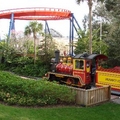
Some attractions that enhance its charm are Walt Disney Park, Magic Kingdom Park and the Busch Gardens.
Florida is more than sun and beach, it is full with freshwater lakes, hills, forests, fascinating cities, thousands of km of rib, numerous bays, islands and a pleasant climate all the year round.
It is an area that includes some of the most visited places in the U.
S.
such as Miami, Pensacola, Daytona Beach, Orlando, Jacksonville, West Palm Beach or Fort Lauderdale.
Miami, known as Millennium and Casablanca America , is an exotic and a cosmopolitan metropolis where Spanish is used as well as English.
The charm of the area is due to various neighborhood skyscrapers that stretch of downtown and up in the trendy.
South Beach is one of the most famous neighborhoods in the area due to the art deco buildings, painted in many colors, beach and palm trees.
Greater Miami is an important commercial, cultural, sports, entertainment and main source of income for the city.
Sandy beaches, the blue sky, the ocean, the palm trees, the sun, restaurants and clubs where you can dance until dawn make it be the perfect destination for fun, relaxation and thrills.
The Port of Miami is the largest marina in the world, here passing over four million passengers annually.
The main attractions in Miami are: Old Spanish Monastery, Holocaust Memorial, the Coral Castle, the Venetian Pool, the Viscaya Museum and Gardens and the Bayfront Park.
Orlando is the best known part of Florida, with numerous theme parks, movie studios, water parks and entertainment venues and Fort Lauderdale's popular especially among families with children and offers a variety of sports and recreational activities.
In the city of Orlando, Disney opened the Magic Kingdom out three more theme parks, two water parks and various buildings such as hotels, shops and golf courses.
The Museum of Science and the Art Museum are two places worth visiting, and at the NASA you can visit the rocket park.
On your itinerary of visits you should not miss the University of Central Florida, the Dendrological Park, World Orchids, collection of Ripley oddities , Holy Land Experience , the Complex and Museum International Train.
Palm Beach is a barrier island located at a distance of 100 km of Miami, surrounded by the Atlantic Ocean and the Intercostal Canal that separates Palm Beach from the cities of West Palm Beach and Worth Laker in the west.
Situated in the Gulf Stream, it is full with lush gardens, palm-lined beaches and an exceptional marine environment.
The city is an impressive cultural heritage with outstanding architecture and many natural beauties.
The main attractions in Palm Beach are: Flagler Museum, Four Arts Gardens, Property Mar-A-Lago and District Worth Avenue and Rodeo Drive.
Images of Everglades National Park , icons, photos, figures, visions, appearances, illustrations, snapshots, captures, canvas and pictures of Everglades National Park - The Best Places to Visit in Florida, U.S.A.