
Destinations / The best places to visit in Cuba / Matanzas
Ads
Matanzas
Sponsored Links
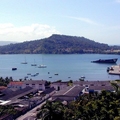
Matanzas was founded right on the shore of Matanzas Bay, at the confluence of San Juan and Yumuri river. Most people just pass through the town, but those who give it a chance to discover the place and its values, will be fascinated by the original atmosphere of the city and its bustling cultural life.
It is said that the city name comes from the massacre (matanza) of Spaniards, during a revolt of the natives. The city was founded on October 30, 1693 by the order of the Spanish King Charles II by 30 families who moved from the Canary Islands. Between 1817 and 1827, sugar mills have been established, which led to the development of the city. In 1843 the railroad from Havana got here. Until the late nineteenth century, Matanzas became the second greatest city in Cuba; it had a newspaper, library, school, while the theater and philharmonic entertained the inhabitants. Matanzas became known as the "Athens of Cuba".
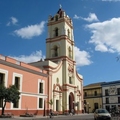
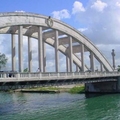
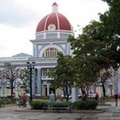
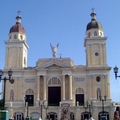
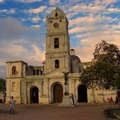
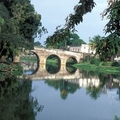
Among the most important attractions in Matanzas there are: Calixto Garcia Bridge, Plaza de la Vigia, publisher Ediciones Vigia, Sauto Theatre, Libertad Park -with the bronze statue of Jose Marti; the Museum of Pharmacology, the old government palace, El Retablo Gallery, Archives, Cathedral of Saint Charles from Borromeo, Junco palace, Versalles district (Concordia bridge, church of Saint Peter the Apostle), Castillo de San Severino fortress, Tropicana Matanzas. Matanzas is renown for Rumba –in the famous Marina district (across the Concordia bridge), the most famous rumba dancers (rumbero) live here; also here it is found the headquarters of the renowned dance company, Los Munequitos of Matanzas. Starting October 10th, for 10 days, one can dance day and night at the Rumba Festival in Sauto House.
Sponsored Links
By Maria Morari
Sponsored Links
Others The best places to visit in Cuba .
Others from The best places to visit in Cuba

There is so much more about Cuba than Fidel Castro, Che Guevara and Havana.
Discover Cuba in its whole splendour with us!
Discover Cuba in its whole splendour with us!
Images of Matanzas, icons, photos, figures, visions, appearances, illustrations, snapshots, captures, canvas and pictures of Matanzas - The best places to visit in Cuba
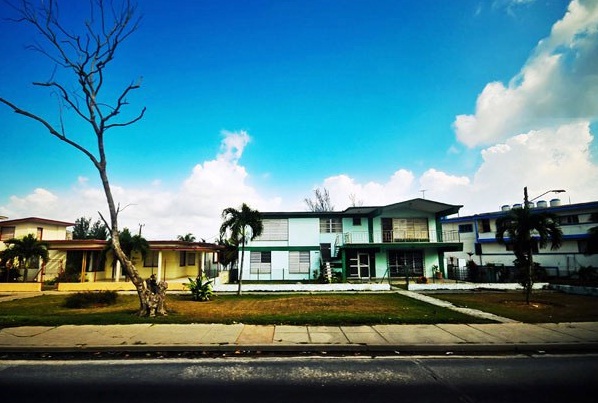
Matanzas - View of Matanzas
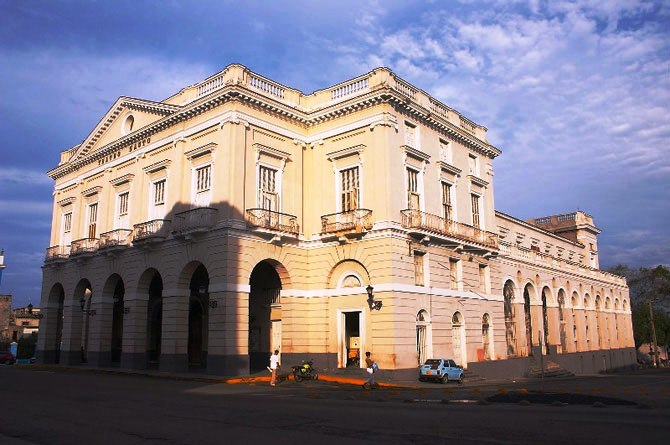
Matanzas - Sauto Theatre
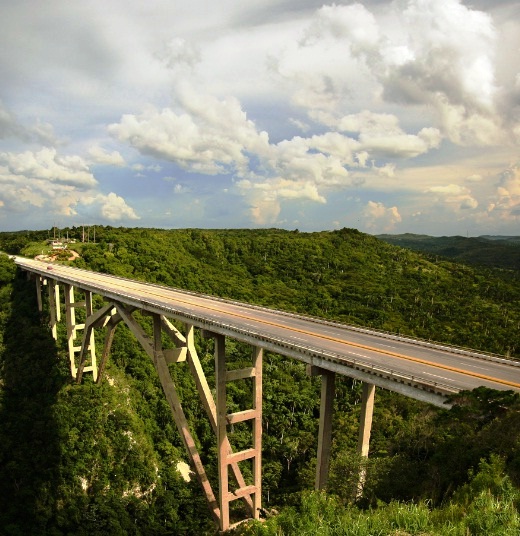
Matanzas - Matanzas bridge
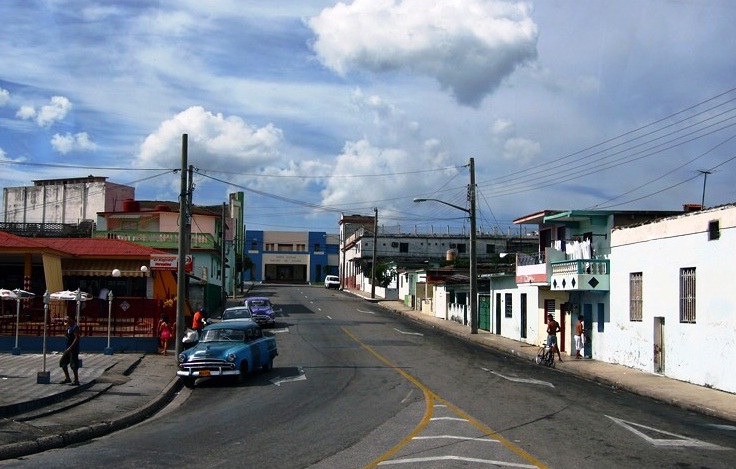
Matanzas - Town view
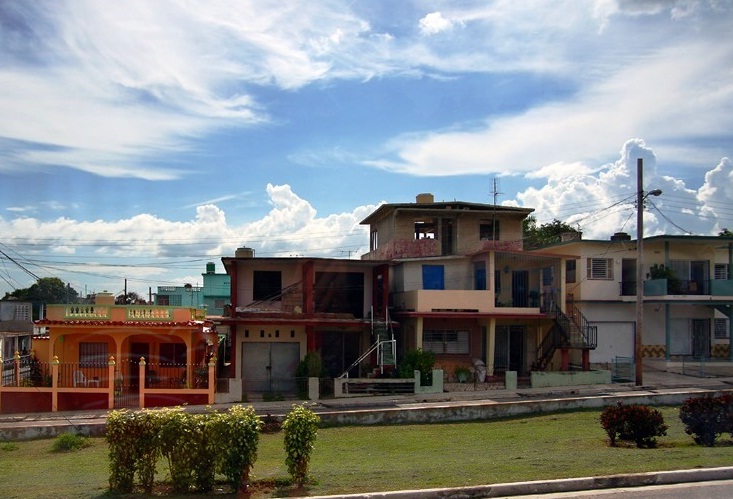
Matanzas - Town view
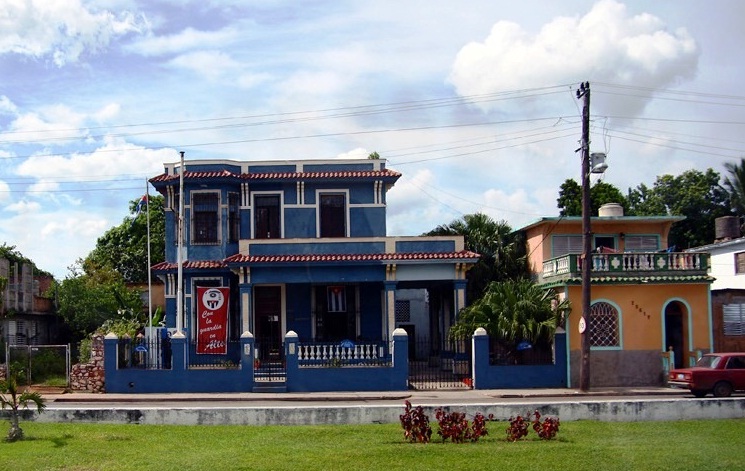
Matanzas - Town view
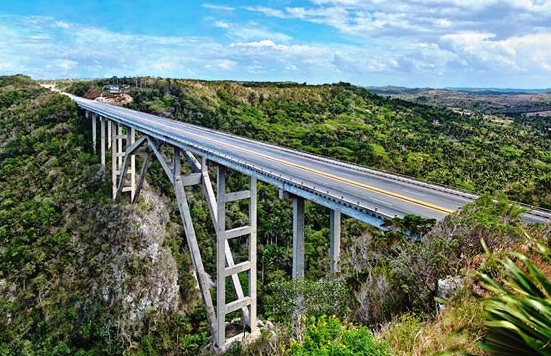
Matanzas - Matanzas bridge
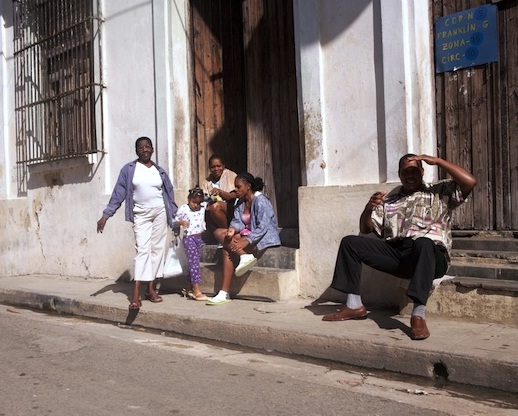
Matanzas - Life in Matanzas
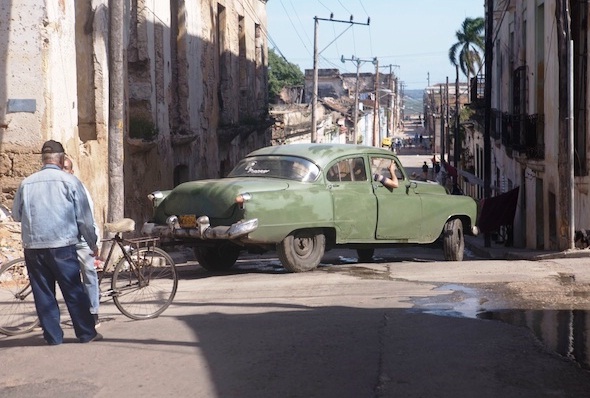
Matanzas - Life in Matanzas
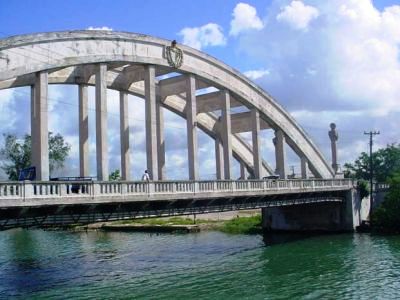
Matanzas - Matanzas bridge
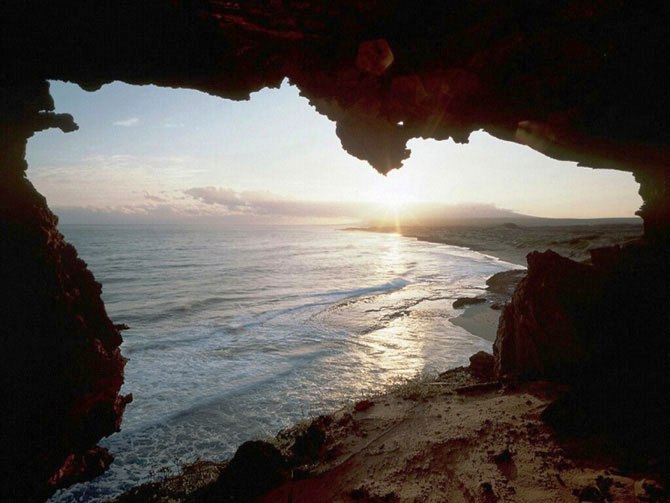
Matanzas - Splendid panorama
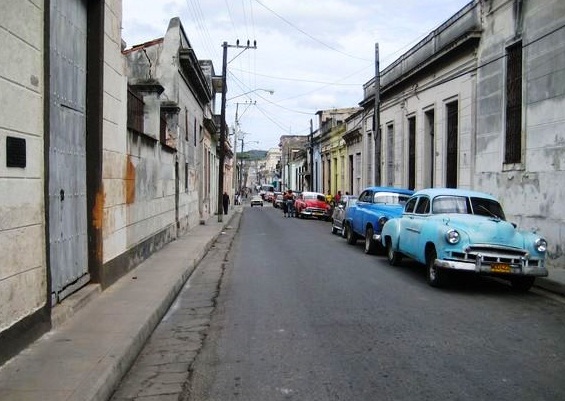
Matanzas - Street in Matanzas
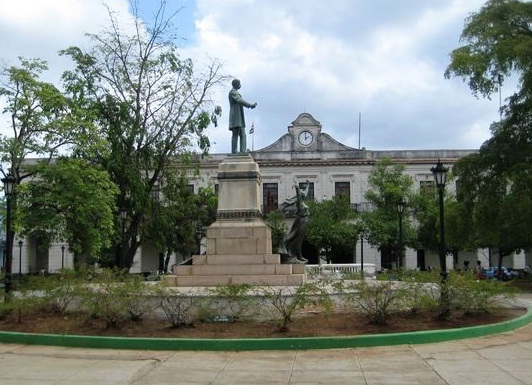
Matanzas - Jose Marti statue
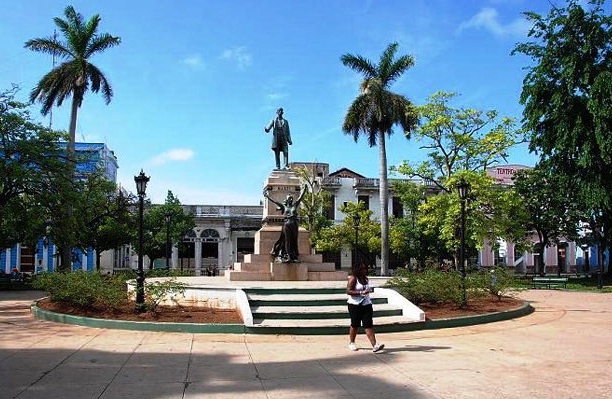
Matanzas - Jose Marti statue
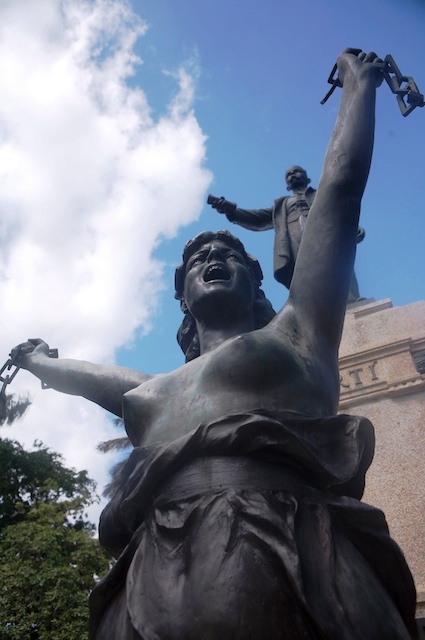
Matanzas - Jose Marti statue
Sponsored Links
Sponsored Links